ISOBUS monitoring: why there is no universal solution and how we build it
Modern agricultural machinery almost always works with the ISO 11783 CAN-bus (ISOBUS). On paper, it looks like a single universal language of communication between the tractor and the unit. In practice, the picture is completely different.
The same model of equipment with the same configuration may issue different sets of messages. Reasons:
- software version
- virtual terminal settings
- presence or absence of Task Controller
- proprietary solutions of the manufacturer
- additional equipment of third-party brands (Precision Planting, AgLeader, etc.)
That is why attempts to make a “universal” CAN filter for ISOBUS almost always end with a partial result: some important indicators are either missing, have incorrect units of measurement, or appear only in certain operating modes.
Bitrek’s approach
We deliberately abandoned the idea of a universal solution. Instead, we use an individual integration path for each piece of equipment. It consists of several clear stages:
- Problem definition. What indicators does the client need: seeding/dispensing rate, section operation, bunker level, engine load, treated area, etc.
- Bus scanning. Specialized equipment (PCAN-USB + contactless reader) records a full trace of CAN messages in real operating conditions. At the same time, video is recorded from the virtual terminal.
- Data analysis. Bitrek engineers analyze the trace and determine:
- which messages are standard ISOBUS (PDM)
- which are virtual terminal data (VTO)
- which are proprietary (PRD)
- which metrics can be calculated on the server
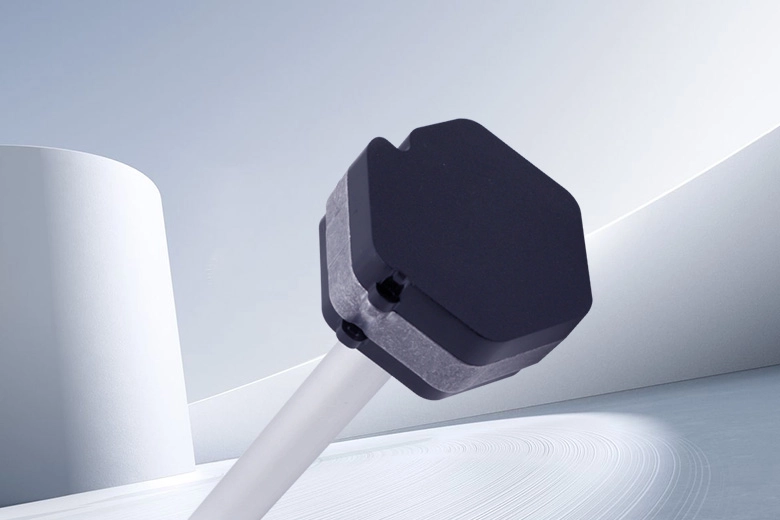
- Configuration formation. A set of filters for the IB01 module (or IS-series) is prepared for a specific technique. The module extracts only the necessary parameters and transfers them to the CONNECT system without any changes.
- Verification and support. After installation, we check the correctness of the data in real work and, if necessary, adjust the settings remotely.
Why it works better
- IS/IB modules do not change the data – they only filter and transmit what is actually in the bus.
- Each piece of equipment is considered as a separate ecosystem.
- It is possible to work with both standard ISOBUS and fully closed systems (combine harvesters, self-propelled sprayers).
- Possibility of pre-configuration of the kit for similar equipment with subsequent fine tuning.
What does the integrator get?
- Clear and repeatable process
- Documented analysis results
- Pre-built configurations for specific models
- Technical support at all stages
In the following articles in the series, we will examine in detail:
- which equipment sets to use for different types of machinery
- which indicators really provide value at each stage of the technological process (soil preparation, fertilizer application, sowing, etc.)